


From wartime experience to European preparedness: Health Bridge roundtable at Ukraine ReHealth 2026
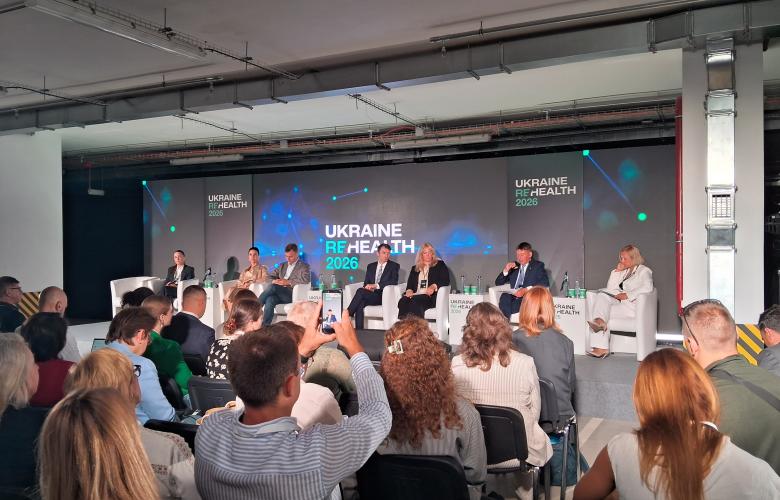
How can Ukraine's experience of keeping its health system running through a full-scale war strengthen emergency preparedness across Europe? This question framed a roundtable hosted by the Swedish Institute–funded Health Bridge project in the Swedish Pavilion at Ukraine ReHealth 2026 in Kyiv.
Ukraine ReHealth 2026 (2–3 September, Kyiv) is an international platform for dialogue between the Government of Ukraine, international financial institutions, investors and the medical sector on rebuilding and modernising the country's health system. Its agenda covered national investment and public–private partnership projects, coordination of frontline regions, mental health and rehabilitation, MedTech and innovation, and health system resilience and crisis preparedness. Sweden was represented by a national delegation coordinated by Swecare, with a dedicated Swedish Pavilion.
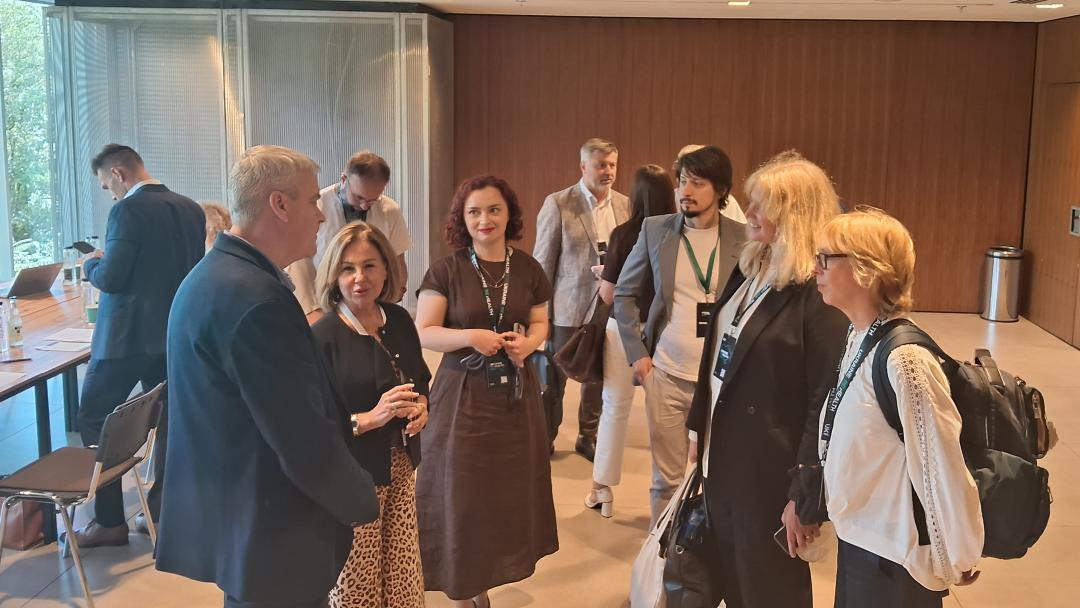
As part of the delegation's programme, Health Bridge organised the roundtable "Academic Institutions and Health Diplomacy in European Preparedness and Resilience" on 2 September. It was hosted by Prof. Olesya Hulchiy (Bogomolets National Medical University), Dr. Kostyantyn Balashov (National University of Life and Environmental Sciences of Ukraine, NUBiP) and Marta Dumanska (Karolinska Institutet, ReAct (Uppsala university)). Prof. Hulchiy opened the discussion with an overview of the war's main consequences for Ukraine's health system and of how this experience can be translated into stronger emergency preparedness in Europe.
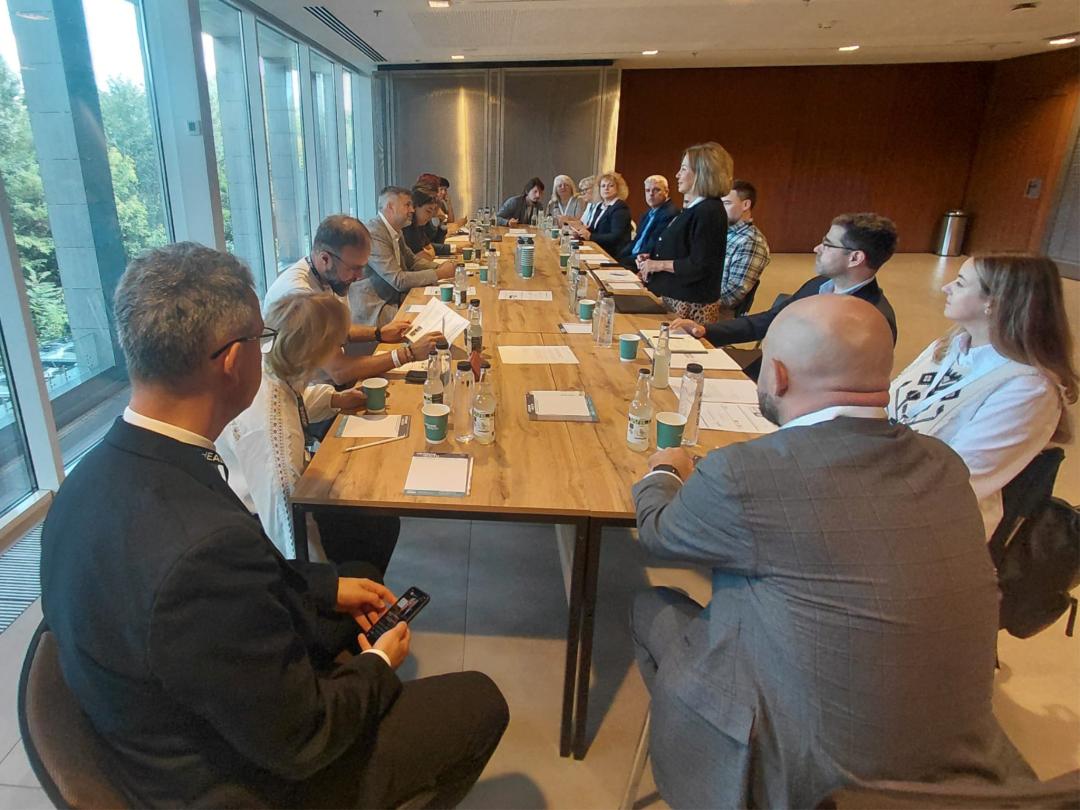
Participants discussed shared challenges, including antimicrobial resistance, sustainable and autonomous supply of medicines, and academic and clinical collaboration to strengthen health policy. Particular attention was given to the Ukrainian–Swedish training model developed with hospitals, international organisations and universities under the earlier Doc-Stud-Ukraine project, and to its potential to be scaled up into a systemic framework for addressing the medical consequences of war in a European context.
The roundtable brought together Taras Holub, advisor to the Directorate of Social Policy and Health Care of the Office of the President of Ukraine; Michaela Prochazka of the Swedish National Board of Health and Welfare (Socialstyrelsen); Kateryna Pavelko and Anna Riby of Swecare; and Jonas Zimmerman and Viktor Glantz of Sahlgrenska University Hospital (University of Gothenburg). They were joined by representatives of Getinge, the Association of Nurses and Midwives of Ukraine and the Association of Midwives of Ukraine, the National Cancer Institute of Ukraine, Kyiv Region Paediatric Hospital, and universities including Karolinska Institutet, ReAct (Uppsala university), the Ukrainian Catholic University and Bogomolets National Medical University.
The discussion underlined a central message of Health Bridge: international cooperation is critical not only for Ukraine's recovery, but also for turning Ukraine's wartime experience into concrete, applicable solutions that strengthen the preparedness and resilience of Europe as a whole. Academic institutions, able to connect clinical practice, evidence and policy across borders, are well placed to carry this role as actors in health diplomacy.
About Health Bridge
Health Bridge: Health Diplomacy Institutional Network for Eastern Europe and the Baltic Sea Region is funded by the Swedish Institute and runs from October 2025 to October 2027. It is implemented by Karolinska Institutet, Bogomolets National Medical University, NUBiP of Ukraine and the University of Latvia, building on the SI-funded Doc-Stud-Ukraine project (2023–2024) and more than a decade of KI–University of Latvia collaboration. With Sweden as the link to the Global Health Diplomacy Network (GHDN), the project is establishing a Baltic–Eastern European Health Diplomacy Network of universities, researchers and policymakers, supported by online seminars, in-person workshops and policy-oriented analysis of regional health diplomacy priorities.
For further information and expressions of interest in joining the network, please contact:
Marta Dumanska (marta.dumanska@ki.se)
Kostyantyn Balashov (kostyantyn.balashov@gmail.com)
Nina Viberg (nina.viberg@ki.se)